
QualityApril 15, 2026·5 min read
How to Read a Certificate of Analysis (COA)
Every batch of research peptide should ship with a COA. Here's how to read one — and the red flags that should make you walk away from a supplier.
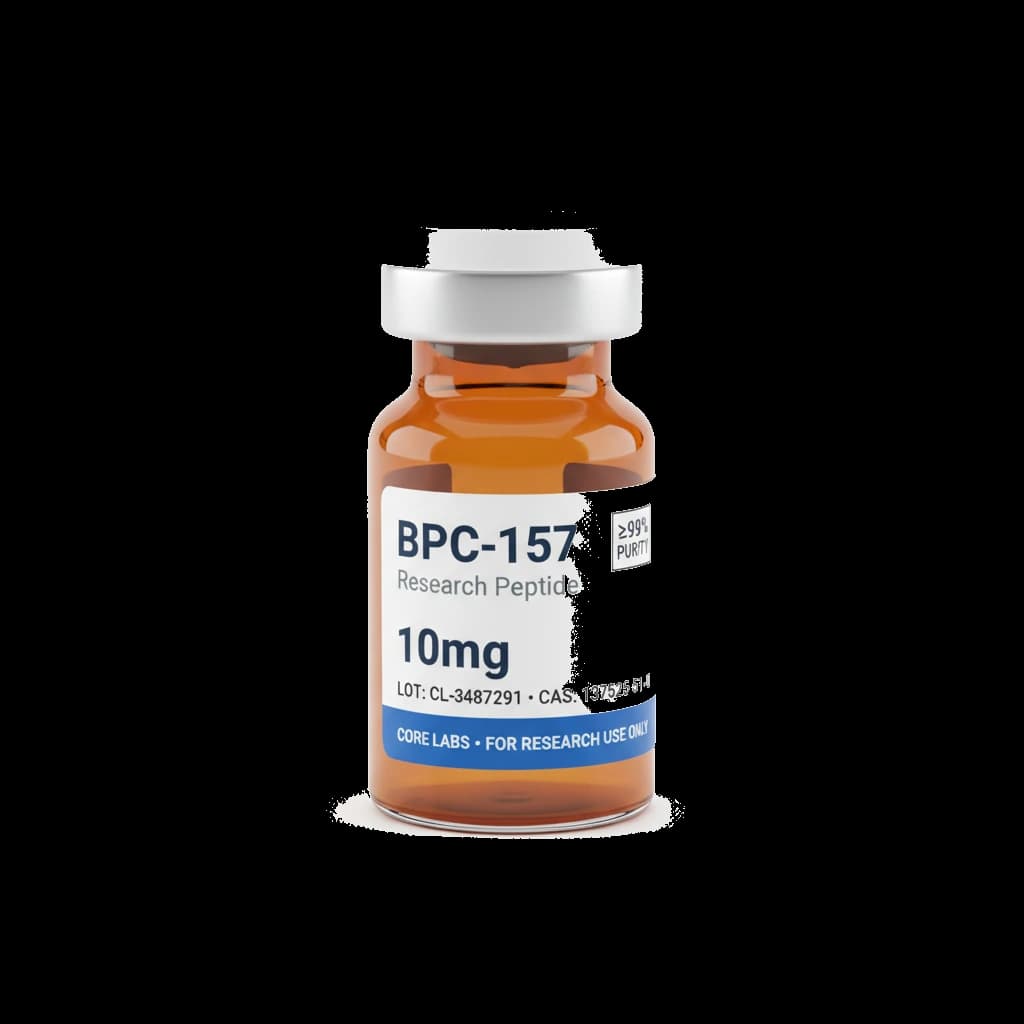
A Certificate of Analysis (COA) is a one-page document that summarizes a batch's identity and purity. It is the single most important piece of paper attached to any research-grade peptide. Knowing how to read one is the difference between confident research and unreliable data.
What a Good COA Contains
- Peptide name and full amino-acid sequence
- Molecular formula and theoretical molecular weight
- Batch / lot number and date of synthesis
- HPLC purity percentage (with chromatogram, ideally)
- Mass-spectrometry result confirming molecular weight
- Name of the analytical laboratory and signature
- Storage and handling recommendations
Red Flags
- No batch number or lot identifier
- Generic 'pass / fail' instead of an actual purity %
- No analytical lab named (in-house only with no published reports)
- No chromatogram or mass spectrum images attached
- Date of analysis missing or far older than expected
- Identical-looking COA reused across multiple batches (a giveaway)
Sample Core Labs COAs
Every Core Labs batch is HPLC and mass-spec tested at our analytical lab. Recently published COAs include Tesamorelin (lot CL-2649801), MOTS-c (lot CL-7934158), GHK-Cu (lot CL-6183274), and VH3-R (lot CL-1058642) — all available as PDFs on the Lab Testing page.
For research use only. All compounds referenced in this article are intended strictly for laboratory research and experimentation. Not for human or animal consumption, diagnostic, or therapeutic use.